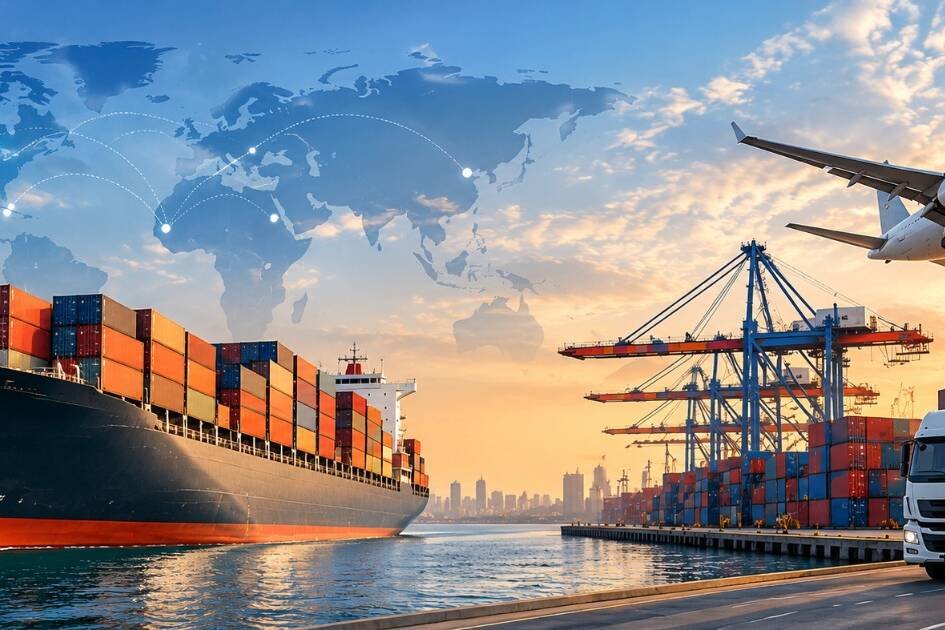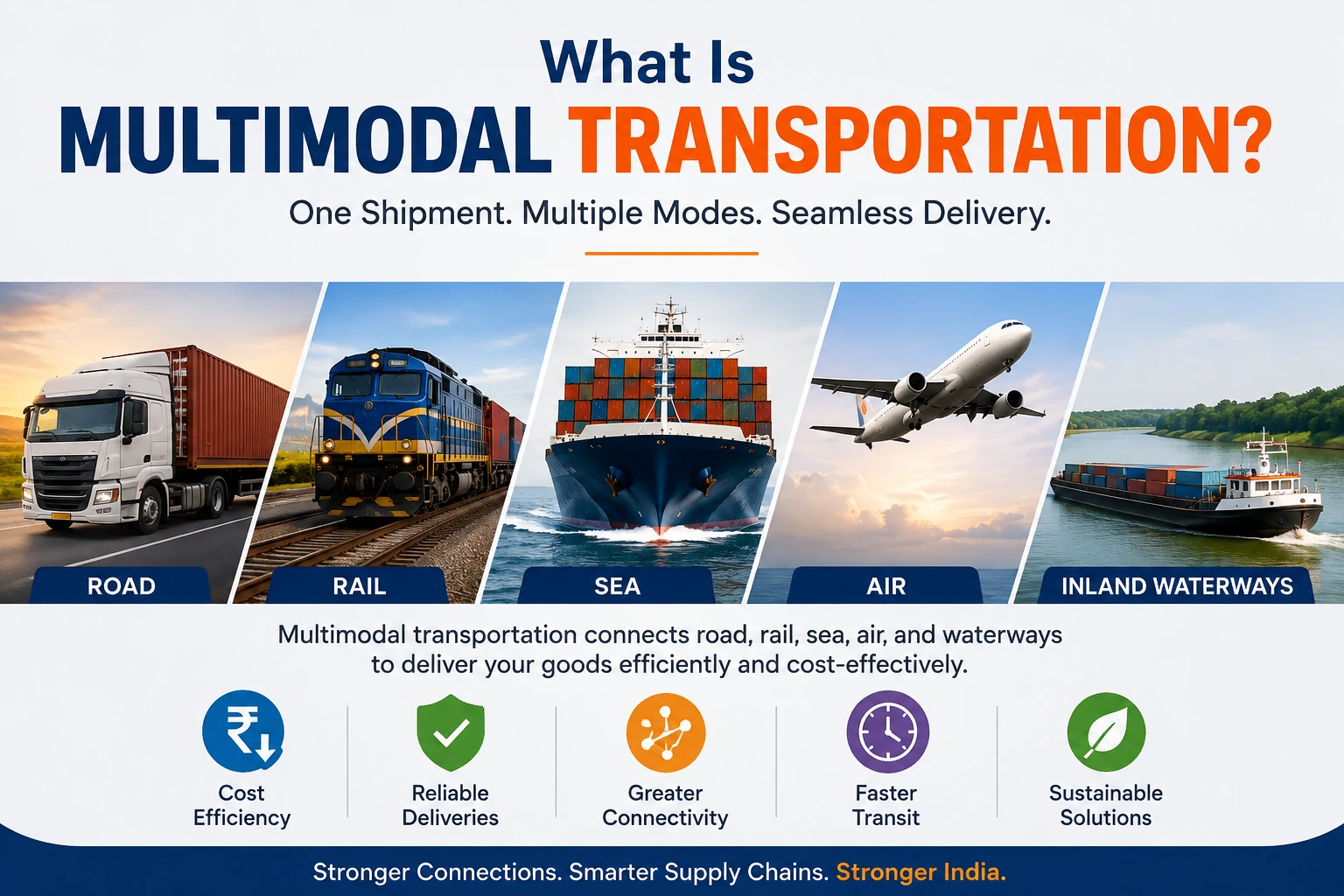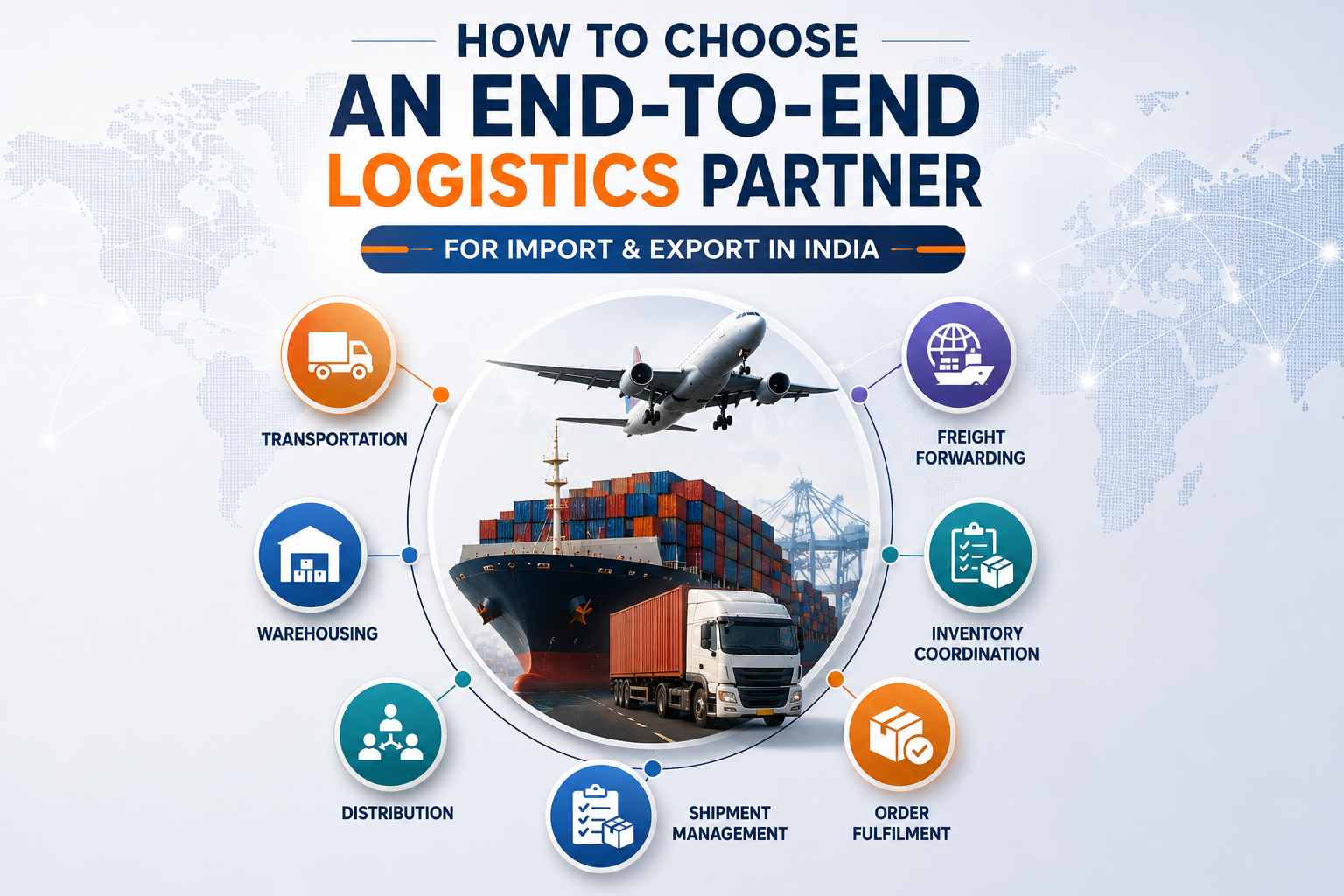
India has become an important part of global trade, with manufacturers, exporters, importers, traders, and businesses of all sizes shipping goods across domestic and international markets. As businesses expand globally, managing the movement of goods efficiently becomes an important part of their operations.
International shipping, however, involves much more than transporting cargo from one country to another. Businesses may need to coordinate carriers, shipping schedules, customs procedures, documentation, warehousing, inland transportation, cargo handling, and final delivery.
This is where freight forwarding companies in India play an important role.
A professional freight forwarder acts as a logistics partner that helps coordinate different stages of the transportation process. Depending on the shipment and business requirements, freight forwarding services can include international freight, sea freight, air freight, customs clearance, warehousing, documentation, cargo tracking, and door-to-door delivery.
Choosing the right freight forwarding company can help businesses simplify their logistics operations and manage international shipments more effectively.
What Services Do Freight Forwarding Companies in India Offer?
Freight forwarding companies in India typically offer international freight forwarding, sea freight, air freight, customs clearance, shipping documentation, warehousing, inland transportation, cargo tracking, and door-to-door delivery. Some providers may also offer specialized logistics and project cargo services.
The exact services available depend on the freight forwarder’s network, transportation capabilities, destination, cargo type, and specific requirements of the business.
Let’s look at the major services offered by freight forwarding companies in India.
1. International Freight Forwarding
International freight forwarding is one of the primary services provided by a freight forwarding company.
When goods move between countries, businesses have to coordinate multiple stages of the shipment. This can include selecting a suitable transportation method, booking cargo space, preparing documents, coordinating customs procedures, tracking shipments, and arranging delivery.
An international freight forwarder can coordinate these activities with shipping lines, airlines, transport companies, warehouses, customs professionals, and other logistics partners.
International freight forwarding services may include:
- Cargo booking and transportation planning
- Carrier and shipping line coordination
- Import and export documentation
- Customs coordination
- Cargo handling
- Shipment tracking
- Inland transportation
- Warehouse coordination
- Final delivery
For businesses involved in regular international trade, having a reliable freight forwarding partner can simplify the process of managing shipments across different countries.
2. Sea Freight Forwarding
Sea freight is one of the most widely used methods for transporting large volumes of goods internationally. It can be particularly suitable for businesses shipping heavy, bulky, or high-volume cargo where cost efficiency is an important consideration.
A sea freight forwarder coordinates the transportation of goods through shipping lines and ports. Depending on the volume and nature of the shipment, businesses may use Full Container Load (FCL) or Less than Container Load (LCL) services.
Common sea freight forwarding services include:
- FCL and LCL shipments
- Container booking
- Cargo consolidation
- Port coordination
- Shipping documentation
- Customs coordination
- Inland transportation
- Container handling
- Door-to-door delivery
Sea freight can be a practical option for manufacturers, exporters, importers, wholesalers, and businesses that regularly move large quantities of products internationally.
A freight forwarder can help businesses understand available shipping options and coordinate the different stages involved in moving cargo from the origin point to the final destination.
3. Air Freight Forwarding
When speed is a major consideration, businesses may choose air freight.
An air freight forwarder coordinates the movement of cargo through airlines and airports and manages the logistics and documentation associated with air shipments.
Air freight is often considered for time-sensitive, urgent, high-value, or relatively smaller shipments where faster transportation is required.
Air freight forwarding services may include:
- Air cargo booking
- Airline coordination
- Airway bill preparation
- Airport handling
- Customs coordination
- Cargo tracking
- Inland transportation
- Delivery coordination
For businesses dealing with urgent orders, samples, electronics, specialized products, spare parts, or other time-sensitive cargo, air freight can provide a faster transportation option than ocean shipping.
An experienced freight forwarder can help businesses compare available options based on delivery requirements, cargo characteristics, destination, and logistics needs.
4. Customs Clearance
Customs clearance is an important part of international import and export operations.
Before goods can enter or leave a country, they may need to meet customs and regulatory requirements. Documentation, cargo classification, duties, taxes, and other requirements can vary depending on the shipment and destination.
Freight forwarding companies can coordinate customs-related documentation and work with relevant customs professionals to support the clearance process.
Customs-related documentation may include:
- Commercial invoices
- Packing lists
- Bills of lading
- Airway bills
- Import documentation
- Export documentation
- Certificates of origin
- Product classification information
- Other regulatory documents
Accurate documentation is important because errors or missing information can result in delays, additional costs, or compliance issues.
By coordinating customs requirements along with transportation, a freight forwarding company can help businesses manage the international shipping process more efficiently.
5. Freight Documentation
International shipping involves several documents, and proper documentation is essential for the smooth movement of cargo.
A freight forwarding company can help businesses coordinate the documents required at different stages of transportation and international trade.
Common freight documents may include:
- Commercial invoices
- Packing lists
- Bills of lading
- Airway bills
- Certificates of origin
- Shipping bills
- Import documents
- Export documents
- Insurance-related documentation
The exact documents required can depend on the cargo, origin, destination, transportation method, and applicable regulations.
Proper documentation helps reduce confusion between different parties involved in a shipment and supports smoother transportation and customs processing.
6. Warehousing and Storage
Warehousing is another important component of modern logistics.
Businesses may need to temporarily store goods before export, after import, or while preparing products for distribution. Depending on the provider, freight forwarding companies may offer warehousing directly or coordinate storage through logistics partners.
Warehousing services can include:
- Cargo storage
- Inventory handling
- Packaging
- Labelling
- Cargo consolidation
- Deconsolidation
- Dispatch coordination
- Distribution support
Integrating warehousing with freight forwarding can help businesses coordinate their inventory and transportation requirements more effectively.
For companies handling frequent imports and exports, having access to reliable storage facilities can also provide greater flexibility when managing shipment schedules.
7. Door-to-Door Freight Forwarding
Many businesses prefer an end-to-end logistics solution instead of managing each stage of transportation separately.
Door-to-door freight forwarding coordinates the movement of goods from the pickup location to the final delivery address.
A typical international shipment may involve:
Pickup → Inland Transportation → Port/Airport → International Freight → Customs Clearance → Final Transportation → Delivery
A freight forwarder can coordinate different service providers throughout this process and provide a central point of communication for the shipment.
Door-to-door logistics can be particularly useful for businesses that want to simplify their supply chain and reduce the need to coordinate separately with transporters, carriers, warehouses, and other logistics providers.
8. Inland Transportation
International transportation is only one part of the logistics journey.
Before cargo reaches a port or airport, it may need to be transported from a factory, warehouse, supplier, or distribution centre. After international arrival, the cargo must also reach its final destination.
Freight forwarding companies may coordinate road or rail transportation for:
- Factory-to-port movement
- Warehouse-to-port transportation
- Airport transportation
- Port-to-warehouse delivery
- Container transportation
- Distribution centre transportation
- Final-mile delivery
Inland transportation connects domestic logistics with international freight and can be an important part of an end-to-end shipping solution.
9. Cargo Tracking and Shipment Visibility
Businesses need visibility into their shipments to plan inventory, production, warehousing, and customer deliveries.
Many modern freight forwarding services provide shipment tracking and regular updates throughout the transportation process.
Depending on the provider, businesses may receive information about:
- Cargo movement
- Shipment status
- Estimated arrival times
- Documentation progress
- Customs status
- Delivery progress
Shipment visibility can help businesses identify potential delays and make better operational decisions.
For companies managing multiple international shipments at the same time, tracking can be particularly useful for maintaining better control over the supply chain.
10. Specialized Freight and Project Cargo
Not every shipment can be handled using standard transportation methods.
Heavy machinery, oversized equipment, temperature-sensitive products, dangerous goods, and project cargo may require specialized planning, equipment, handling, and transportation.
Depending on their capabilities, freight forwarding companies may coordinate services such as:
- Project cargo transportation
- Heavy and oversized cargo
- Temperature-controlled logistics
- Special cargo handling
- Dangerous goods transportation
- Out-of-gauge cargo
- Specialized inland transportation
Businesses with special cargo requirements should work with a freight forwarder that understands the handling, documentation, transportation, and regulatory requirements associated with their products.
Why Do Businesses Need a Freight Forwarder?
International logistics can involve multiple carriers, transportation modes, documents, regulations, warehouses, and delivery points. Managing all these activities independently can become time-consuming and complicated.
A professional freight forwarder can help businesses coordinate these different elements through a more structured logistics process.
Some of the key benefits include:
- Coordinating international transportation
- Selecting suitable shipping methods
- Managing freight documentation
- Supporting customs coordination
- Arranging warehousing
- Organizing inland transportation
- Providing shipment tracking
- Coordinating final delivery
- Connecting businesses with logistics partners
For importers and exporters, a reliable freight forwarding partner can become an important part of their overall supply chain strategy.
How to Choose the Right Freight Forwarding Company in India
Choosing the right freight forwarding company in India depends on several factors, including your cargo type, destination, shipping frequency, budget, and delivery requirements.
Before selecting a provider, consider the following.
Experience and Industry Knowledge
Look for a freight forwarder with experience handling cargo similar to yours. Knowledge of specific industries, trade routes, documentation, and regulatory requirements can be valuable when managing international shipments.
Sea and Air Freight Capabilities
If your business uses different transportation modes, check whether the company can provide both sea freight forwarding and air freight forwarding or coordinate multimodal transportation.
Customs and Documentation Support
International shipments require accurate documentation and compliance with applicable requirements. Make sure the provider has a clear process for handling customs and freight documentation.
Shipment Tracking
Reliable shipment tracking and communication can help you stay informed about your cargo throughout its journey.
End-to-End Logistics
If you require pickup, international transportation, customs clearance, warehousing, and final delivery, choosing a provider capable of coordinating multiple stages can simplify your logistics operations.
International Network
For international shipments, consider the company’s network of carriers, agents, ports, airports, warehouses, and logistics partners in your origin and destination markets.
Freight Forwarder vs. Shipping Company: What Is the Difference?
A shipping company generally operates transportation services, such as ocean vessels, while a freight forwarder coordinates the broader logistics process involved in moving cargo.
For example, a freight forwarder may work with shipping lines, airlines, transporters, warehouses, customs professionals, and other logistics partners to arrange an international shipment.
This means a freight forwarder can act as a central point of coordination between a business and the different parties involved in the transportation process.
The two types of companies can therefore play different but complementary roles in international logistics
.
Frequently Asked Questions About Freight Forwarding
1. What is a freight forwarder?
A freight forwarder coordinates the transportation, documentation, customs, tracking, and delivery of goods from origin to destination.
2. What services does a freight forwarding company provide?
Services can include international freight, sea and air freight, customs clearance, documentation, warehousing, inland transportation, tracking, and door-to-door delivery.
3. What does a sea freight forwarder do?
A sea freight forwarder arranges ocean cargo transportation, including container booking, FCL and LCL shipments, documentation, port coordination, and delivery.
4. When should a business use an air freight forwarder?
Businesses can use an air freight forwarder when shipments are urgent, time-sensitive, high-value, or require faster delivery.
5. How do freight forwarding services help importers and exporters?
They simplify international shipping by coordinating transportation, documentation, customs, cargo handling, tracking, and delivery.
6. How do I choose a freight forwarding company in India?
Consider its experience, transportation options, international network, customs support, tracking capabilities, and ability to handle your specific cargo.
Conclusion
Freight forwarding plays an important role in international trade and supply chain management. From international freight forwarding and sea freight to air freight, customs clearance, documentation, warehousing, inland transportation, and door-to-door delivery, freight forwarding companies can coordinate multiple stages of the shipping process.
For importers, exporters, manufacturers, traders, and growing businesses, choosing the right freight forwarding company in India can help create a more organized and efficient logistics process.
If you are looking for professional freight forwarding services, explore Bismarck World Media’s Freight Forwarding Services to learn more about available logistics solutions.