Introduction
India’s logistics and transportation sector is undergoing a quiet but powerful transformation. What was once driven largely by manual coordination, phone calls, and paperwork is now increasingly powered by data, automation, and intelligent systems. This shift is not just about speed – it’s about accuracy, visibility, and scalability.
At the center of this change is logistics technology in India, which is reshaping how goods move across cities, states, and international borders. From warehouses to highways, technology is redefining efficiency at every step.

The Rise of Digital Systems in Indian Logistics
One of the most impactful changes in recent years has been the logistics technology in India. Companies are moving away from fragmented processes and adopting integrated digital platforms that connect inventory, transportation, and customer data in real time.
This transformation allows logistics providers to plan better routes, reduce fuel consumption, and respond faster to disruptions. As digital transformation in logistics continues to mature, decision-making is becoming more data-driven rather than reactive.
These improvements are especially visible in large-scale operations that handle high shipment volumes across multiple regions.
Automation and Smart Logistics Solutions
Automation has become a key driver of efficiency, especially in warehousing and order fulfillment. Robotics, automated sorting systems, and AI-powered demand forecasting are no longer futuristic ideas they are active components of smart logistics solutions used across India today.
By adopting smart logistics solutions, companies can reduce human error, speed up order processing, and improve overall service reliability. These systems also help businesses scale operations without proportionally increasing costs.
As more players adopt smart logistics solutions, customer expectations around delivery speed and transparency continue to rise.
Transportation Management Systems Changing the Game
A major breakthrough in logistics operations has come through the adoption of transportation management systems. These platforms help companies plan, execute, and optimize the movement of goods more efficiently.
With transportation management systems, logistics teams can track shipments in real time, compare carrier performance, and manage freight costs more effectively. This is particularly useful in a country as geographically diverse as India.
The growing use of transportation management systems is helping businesses maintain consistency and control even as shipment volumes increase.
Impact on Cross-Border and Freight Operations
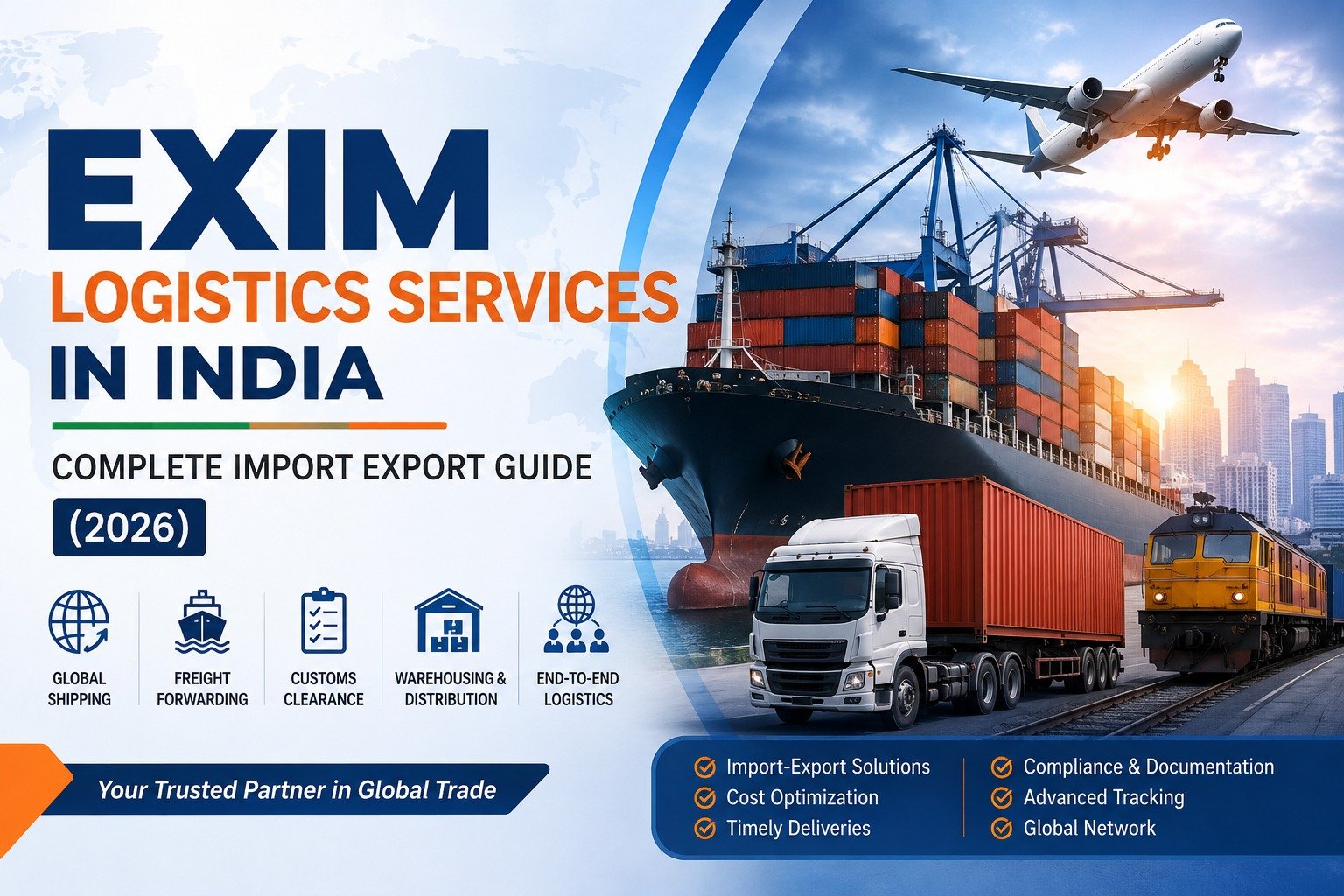
Technology is also playing a critical role in international logistics. Digital documentation, real-time tracking, and compliance tools have made exim transport services more structured and predictable.
Similarly, a modern freight forwarding company today relies heavily on integrated platforms to manage cargo movement, customs coordination, and multi-modal transport more efficiently than ever before.
These advancements reduce delays, improve compliance, and enhance transparency for businesses involved in global trade.
India’s Logistics Ecosystem Is Evolving Rapidly
The expansion of logistics technology in India is supported by improved infrastructure, policy reforms, and increased investment in digital platforms. Startups and established logistics providers alike are embracing innovation to stay competitive.
As logistics technology in India evolves, it is creating a more connected ecosystem where information flows seamlessly across supply chain partners.
This ongoing digital transformation in logistics is not just improving operational efficiency it’s also strengthening India’s position as a global supply chain hub.
Conclusion
Technology is no longer an optional add-on in logistics; it is the backbone of modern transportation systems. From smart logistics solutions to advanced transportation management systems, digital tools are enabling faster, safer, and more cost-effective movement of goods.
As adoption deepens, the logistics and transportation sector in India will continue to become more resilient, transparent, and future-ready—driven by innovation rather than improvisation.